Why AI can't debug your API integrations (yet)
The next generation of debugging doesn’t depend exclusively on the quality of AI models, but it’s heavily dependent on feeding AI tools the context they need to be useful.
In 2025 we focused on a simple but ambitious goal: making debugging faster, less fragmented and less manual. Check out all our releases to make that possible.
LogRocket captures frontend behavior with optional sampled backend data through third-party integrations. Multiplayer captures complete, unsampled full-stack sessions (frontend and backend) out of the box, with no integrations required.
Mixpanel shows you how users behave on your frontend, aggregating website performance metrics. Multiplayer shows how your system behaves, from user actions to backend traces, and how to fix a bug (or have your AI coding assistant do it for you).
PostHog is a product analytics platform with frontend-only session replay. Multiplayer is purpose-built for debugging with full-stack session recordings, from user actions to backend traces, showing you how to fix a bug (or have your AI coding assistant do it for you).
Fullstory shows you how users behave on your website, aggregating performance metrics. Multiplayer shows how your system behaves, from user actions to backend traces, and how to fix a bug (or have your AI coding assistant do it for you).
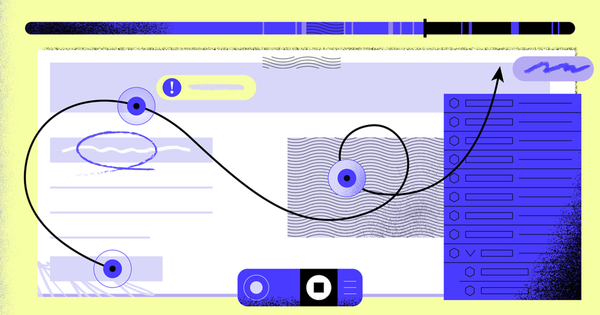
Annotations are a way to draw, write, and comment directly on top of full-stack session recordings. Now, instead of sketching ideas in isolation, teams can mark up actual user sessions, highlighting specific UI elements, API calls, and backend traces that need attention.
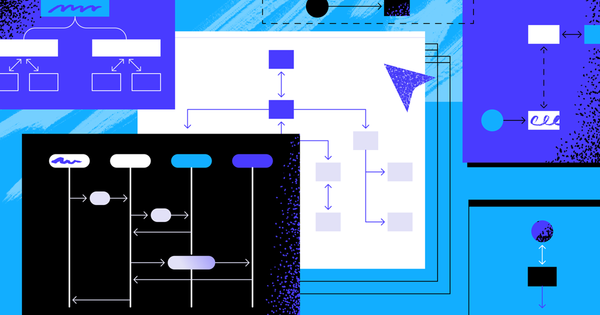
Most modern software systems are distributed systems, but designing a distributed system isn’t easy. Here are six best practices to get you started.
Multiplayer transforms the chaos of support tickets, eliminating manual work, sloppy hand-offs, and grepping through log files.
Multiplayer gives your team full stack session recordings so you have all the context you need to fix bugs, build features, and supercharge your AI tools. This is all the data you wish was easy to get from your APM tool and screen recorder - all in one place.
Full stack session recordings capture everything that matters without impacting your application performance or adding unnecessary overhead.
Add sketches, notes, and requirements directly to your full stack session recordings. Highlight interactions, API calls, or traces and turn them into actionable development plans or AI prompts.
AI
Multiplayer MCP Server streams full stack session data into your IDE. Give AI tools complete context for accurate fixes: frontend, backend, annotation.
Session Replay
Record sessions in the background while you work: Multiplayer saves recordings the moment bugs or anomalies occur, making it effortless to capture elusive, hard-to-reproduce problems.
Session Replay
Multiplayer is the only session recorder that combines frontend replays with unsampled backend traces, stitched together automatically. You don’t have to choose between drowning in noise or missing the critical data.
News
Product Hunt may be a rigged game, but we launched anyway. Discover why Multiplayer is betting on full stack session recordings, not orange arrows.
Session Replay
With the new Multiplayer browser extension, you can start capturing full stack session recordings instantly, right from your browser.
Session Replay
Turn a full stack session recording into a reproducible test script. It’s like getting a unit test written by the bug itself. Minus the guesswork, setup, and manual scripting.
Thought Leadership
The rise of multi-player, real-time collaborative tech has swept across many industries. We look at when, why, and how this happened and what's next for dev tools.
AI
Documenting and debugging distributed systems is still one of the most painful reality of engineering teams. Can AI tools help with that and what are their limits?
Thought Leadership
Communication is usually the hardest part of any software developer’s job, especially when working on distributed systems. We look at why visual collaboration is critical for effective debugging.
Thought Leadership
Performant teams are what often make or break a tech company. Here are 5 best practices high-performing teams are using.
Thought Leadership
All the reasons why backend development today feels harder, or, at the very least, vastly more complex than 20 years ago.
Distributed Systems
To effectively guide the evolution of a software system and ensure its long-term stability and maintainability, it’s crucial to understand the phenomena of architectural drift and erosion.